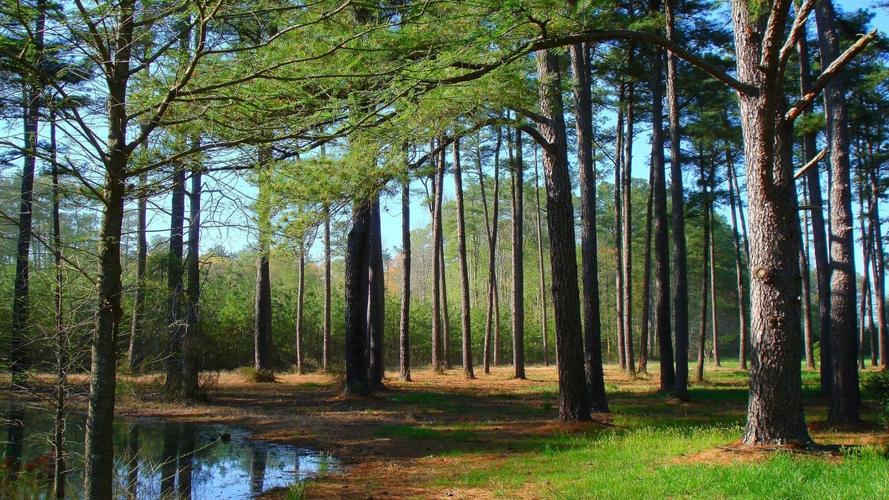
Exploring the Rich Heritage of Cultural Landscapes: A Journey Through Time
Cultural landscapes are a priceless human legacy that reflects our unique relationship with the environment. These landscapes are living evidence of traditional, historical, and cultural practices through generations, which have shaped human connections with the land. The United Nations Educational, Scientific and Cultural Organization (UNESCO) defines cultural landscapes as “the combined works of nature and humans in which a landscape expresses a long and intimate relationship between people and their natural environment.”
As we take a journey through time, we discover that cultural landscapes have been an essential influence on the development of many societies worldwide. The concept of cultural landscapes is a relatively modern concept. UNESCO, in its World Heritage Convention of 1972, recognized the importance of conserving cultural landscapes as an integral part of human heritage. Since then, numerous natural and cultural landscapes around the globe have been recognized as World Heritage Sites, demonstrating the incredible value placed on these environments by people worldwide.
Cultural landscapes vary greatly based on the prevailing forces that shaped them, including the topography, climate, flora, and fauna, and human activities that occurred in the landscape. Human intervention in these contexts has generated various landscapes such as rural, urban, agricultural and industrial landscapes, all different in appearance and purpose.
Some cultural landscapes captivate with their natural beauty and unique features, while others reflect the evolving and dynamic culture of the people who inhabit them. One of the most famous cultural landscapes worldwide is the Grand Canyon in the USA, an awe-inspiring natural landmark that tells the geological and human story of millions of years.
Another notable cultural landscape is the city of Venice, which has been functioning as a unique urban water city for over a thousand years. Venice is an excellent example of how human intervention with the environment can result in a symbiotic relationship that creates a unique and sustainable urban landscape.
Cultural landscapes are continually changing and evolving, and many have experienced dramatic transformations over the years due to human intervention. One such example is the Amazonian Rainforest in South America. The Amazon Rainforest represents a significant cultural landscape that has been altered by deforestation and urbanization in recent decades, resulting in devastating environmental and social consequences. Preserving such a vast and unique cultural landscape is one of the greatest challenges that humanity has to face in the coming years.
In conclusion, cultural landscapes serve to connect people and nature in a unique and powerful way. They represent an essential part of our collective history, reflecting the long and intimate relationship between people and the natural environment. Preserving cultural landscapes is not only essential for maintaining our heritage, but also for ensuring the sustainability and well-being of our planet.
(Note: Do you have knowledge or insights to share? Unlock new opportunities and expand your reach by joining our authors team. Click Registration to join us and share your expertise with our readers.)
Speech tips:
Please note that any statements involving politics will not be approved.